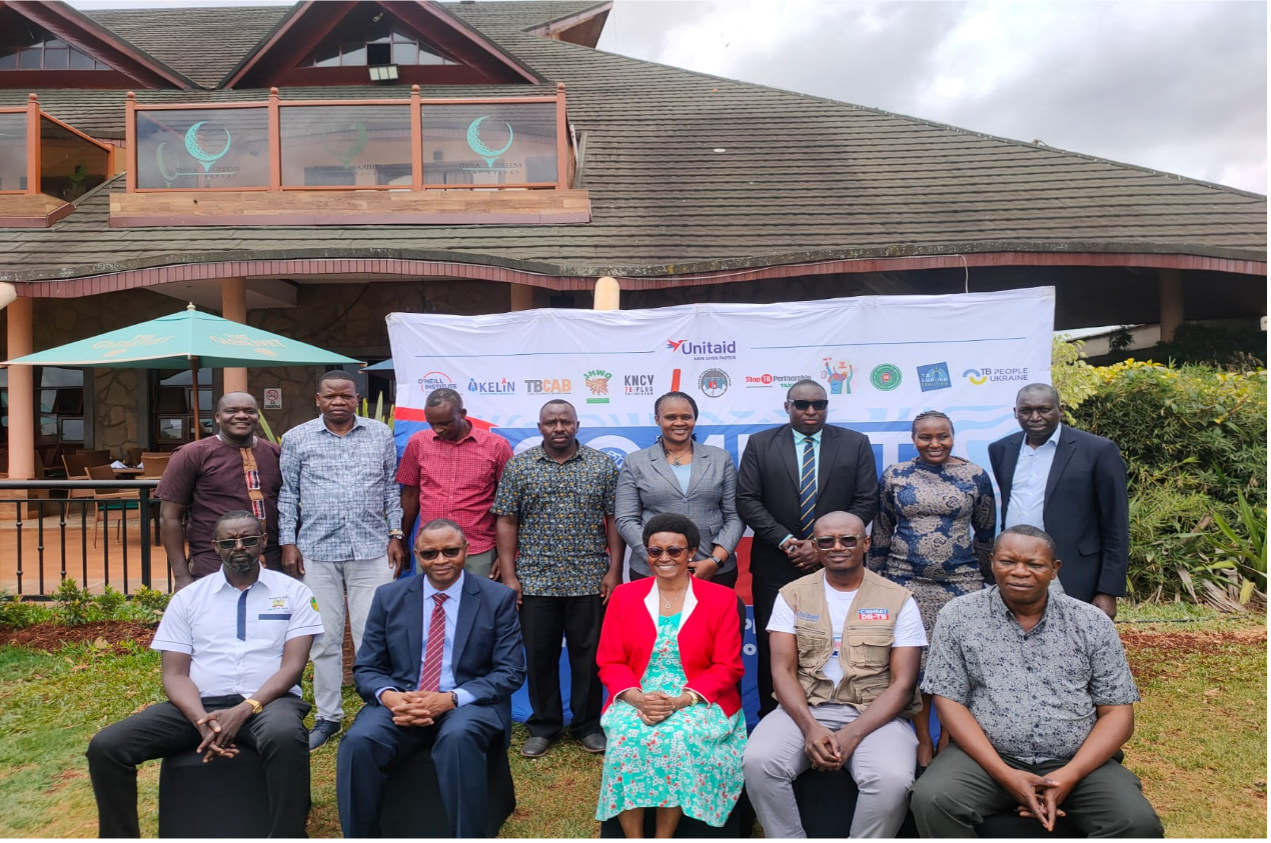
From 10–12 September 2025, KELIN joined fellow civil society organizations (CSOs) in Machakos County under the Kenya Stakeholder Coalition on the Universal Periodic Review (UPR) to rally state ministries, departments, and agencies toward stronger accountability on Kenya’s human rights commitments—particularly the Right to Health and health-related human rights. The multistakeholder meeting aimed to break down what Kenya agreed to, what it sidestepped and to develop joint strategies on implementation of the recommendations – towards realization of the right to health and health related human rights. These strategies are vital in shaping future advocacy work with government institutions.
This convening followed Kenya’s 4th UPR session[1] held on May 1, 2025, in Geneva, where other countries reviewed Kenya’s human rights track record. During the session, Kenya received 339 recommendations from 122 countries, with 13 advance questions posed to its delegation. The recommendations covered a wide range of human rights areas. On May 7, Kenya’s State Report[2] was officially adopted, with final endorsement expected at the Human Rights Council’s 60th session on 26th September 2025.
Earlier in 2024, the Right to Health thematic group submitted a stakeholder report with 20 recommendations across six urgent issues. Kenya accepted several key proposals, including commitments to improve access to sexual and reproductive health and rights (SRHR) services, strengthen the HIV response, and reduce inequalities that prevent young people, persons with disabilities, LGBTQ+ individuals, and those living with HIV from accessing care. However, Kenya did not accept critical reforms such as repealing punitive laws, decriminalizing abortion, integrating comprehensive sexuality education, increasing SRHR investments, removing barriers to justice for people with HIV, and adopting inclusive policies for SOGIESC minorities.
During the Machakos meeting, state actors engaged directly with CSOs. Dr. Jacqueline Kisia, Director of SRHR at the Ministry of Health, called for joint efforts to address challenges such as inadequate health financing, limited SRHR access for adolescents, and gaps in care for key populations. Ms. Jedidah Anyango, a member of the secretariat of the technical committee on the development of the legal and policy framework for correctional services in Kenya, highlighted opportunities for law and policy reform, including enabling conjugal visits in prisons as opposed to provision of condoms and Pre exposure prophylaxis (PrEP).
As convener of the Right to Health CSOs thematic group, KELIN reaffirmed its commitment to work hand in hand with state ministries, departments, and agencies to push for implementation of both accepted and noted recommendations. This collaborative approach is essential to ensure equitable healthcare access and the full realization of health-related human rights in Kenya.
To contribute to the discussions on this forum, follow KELIN on our website and social media platforms.
Website: www.kelinkenya.org
Facebook: http://www.facebook.com/kelinkenya
Twitter(X): @KELINKenya.
For more information please contact, Elsie Milimu,
Program Officer- SRHR, Kenya Legal & Ethical Issues Network on HIV/AIDS(KELIN),
Email: elsiemilimu@kelinkenya.org