Blog article by Jerop Limo
Kenya Community Advisory Team Member to the Digital Health and Rights Project
Centering Young People Voices
I recently attended the 9th International Workshop on Adolescence, SRHR & HIV that took place in Gaborone, Botswana from 1st-3rd October 2025. The workshop brought together researchers, clinicians, funders and young people to discuss what’s changing, what’s not working, and what we urgently need to focus on. The workshop room was filled with thought-provoking conversations that highlighted real solutions – moving from the shifting funding landscape to an urgent demand that young people move beyond consultation to leadership.
Funding is changing and it shouldn’t mean young people are pushed out .
We heard the same message in multiple panels: the funding landscape is tightening, priorities are shifting, and competition for the remaining almost empty sacks of money is increasing. As a result, many programs and interventions that address the needs of adolescents and young people (AYP)—including youth-led initiatives—have been discontinued or defunded, leaving many with lived experience watching from the sidelines.
Young people as decision-makers, not tokens
Every plenary and many informal conversations returned to one point: meaningful youth leadership isn’t a checkbox. It’s governance, hiring, budgets and strategic direction. When young people are given decision-making power, programs shift faster toward relevance. The young peer educator knows where stigma is in the community; they know which clinic hours are excluding young people; they know which language ensures information reaches their peers. Put bluntly: if governance is adult-only, policies will be blind to the realities of young people.
Digital health and rights: a double-edged sword
Digital health conversations were at the core of the conference from telemedicine for antiretroviral therapy (ART) adherence to chatbot support for sexual and reproductive health and rights (SRHR) questions. But we equally heard about the risks: data privacy, surveillance, technology facilitated abuse, and the digital divide. A clinic app that records and track location and service use can be life-saving—but without strong data governance, it can just as easily be exploited. This is where rights-based approaches matter. We need clear standards for consent, minimal data collection, encryption and community control of data. Some of these concerns and recommendations are documented in a report by the Digital Health Rights Project titled Paying the Costs of Connection in which I am a member of the Kenya Community Advisory Team.
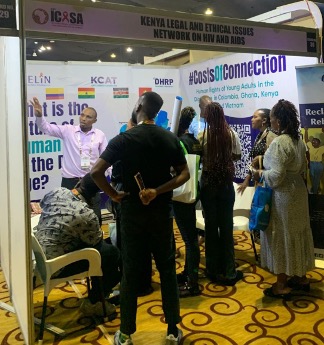
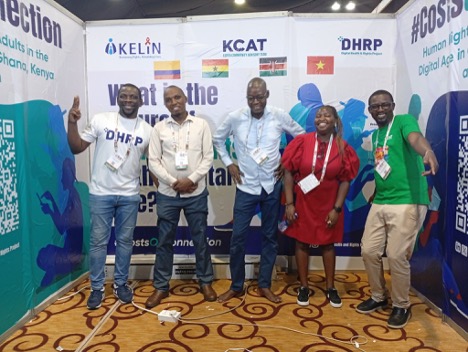
This conversation took center stage at the evening reception co-hosted by the MTV Staying Alive Foundation, AYARHEP and the Kenya Legal and Ethical Issues Network on HIV and AIDS (KELIN) — a consortium partner of the Digital Health and Rights Project. The event brought together discussions on digital health and rights, short films such as Shuga, and youth perspectives, all shared in an atmosphere of food and music.
SRHR beyond condoms and pills: integrated, intersectional care
We discussed the importance of integrated services — mental health, sexual and reproductive health, substance use support, social protection, among others. For adolescents, particularly those living with HIV, care that focuses on a single issue fails them. Both evidence and lived experiences affirm that when clinics provide mental health support alongside ART, treatment adherence improves; when schools facilitate re-entry after pregnancy, educational outcomes transform. A one-stop center for young people should not remain an aspiration — it should be a reality.
What I heard people ask (and what we must answer)
- How do we actualize the concept of young people as equal stakeholders and not beneficiaries?
- How do we build digital health systems that are transparent, consent-based and led by communities?
- In the midst of shifting resources how do we ensure that youth-led programs and interventions still remain a priority?
Conferences are pages of slides, abstracts, recommendations but the real work sits in the conversations that happen after the microphones are off and we are back home.
Conclusion
Leaving Gaborone, one message echoed clearly: centering young people’s voices is not optional — it’s essential for progress. The next phase of our collective work should not merely amplify young voices but transfer power to them — in decision-making rooms, in data governance frameworks, and in the budgets that shape their futures.
See you at the 20th workshop.