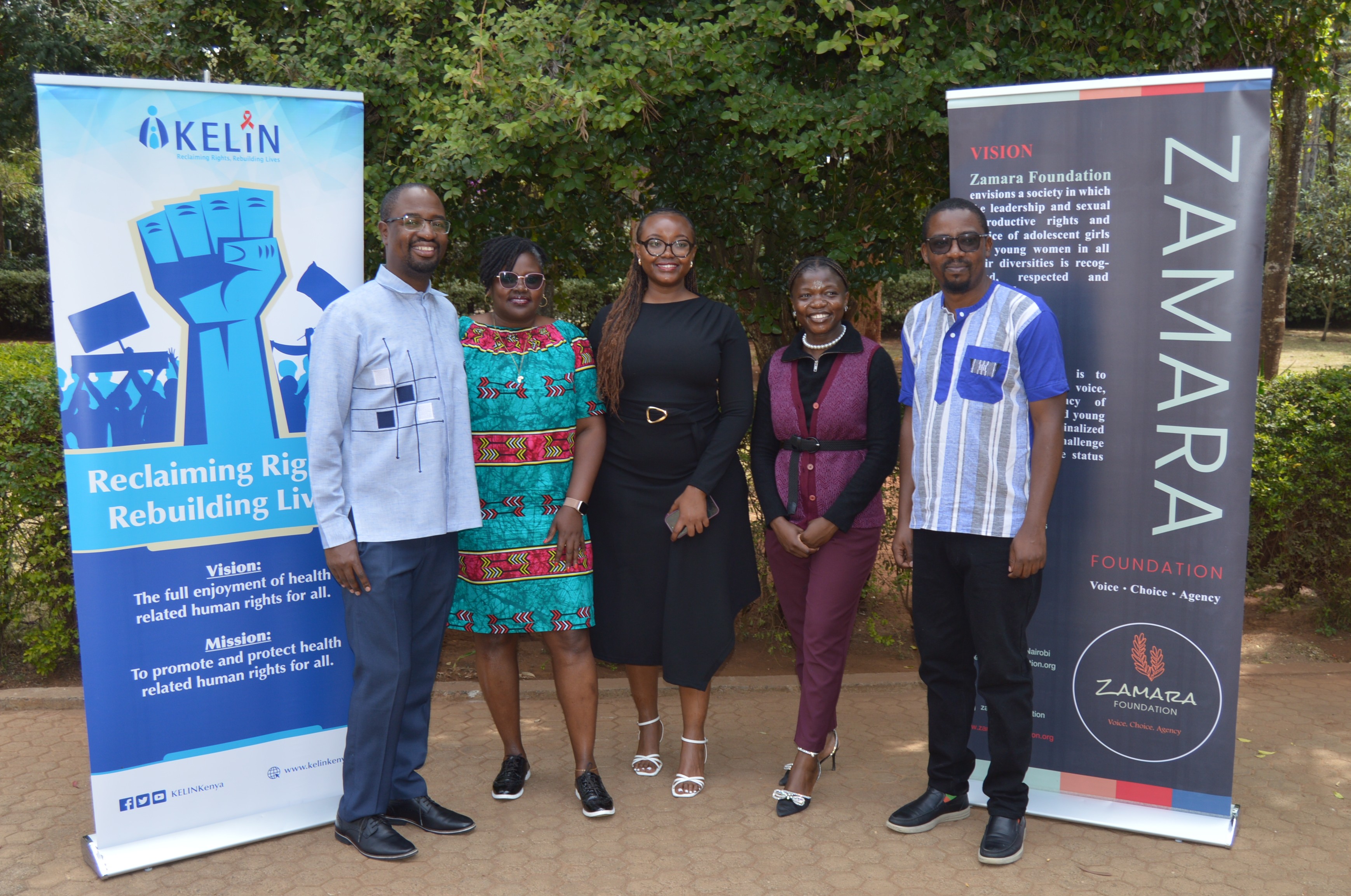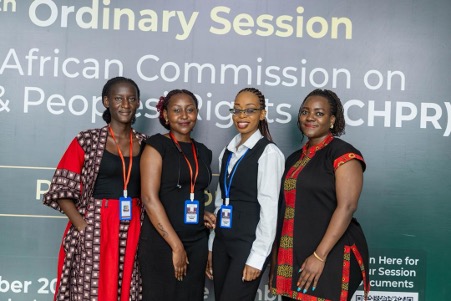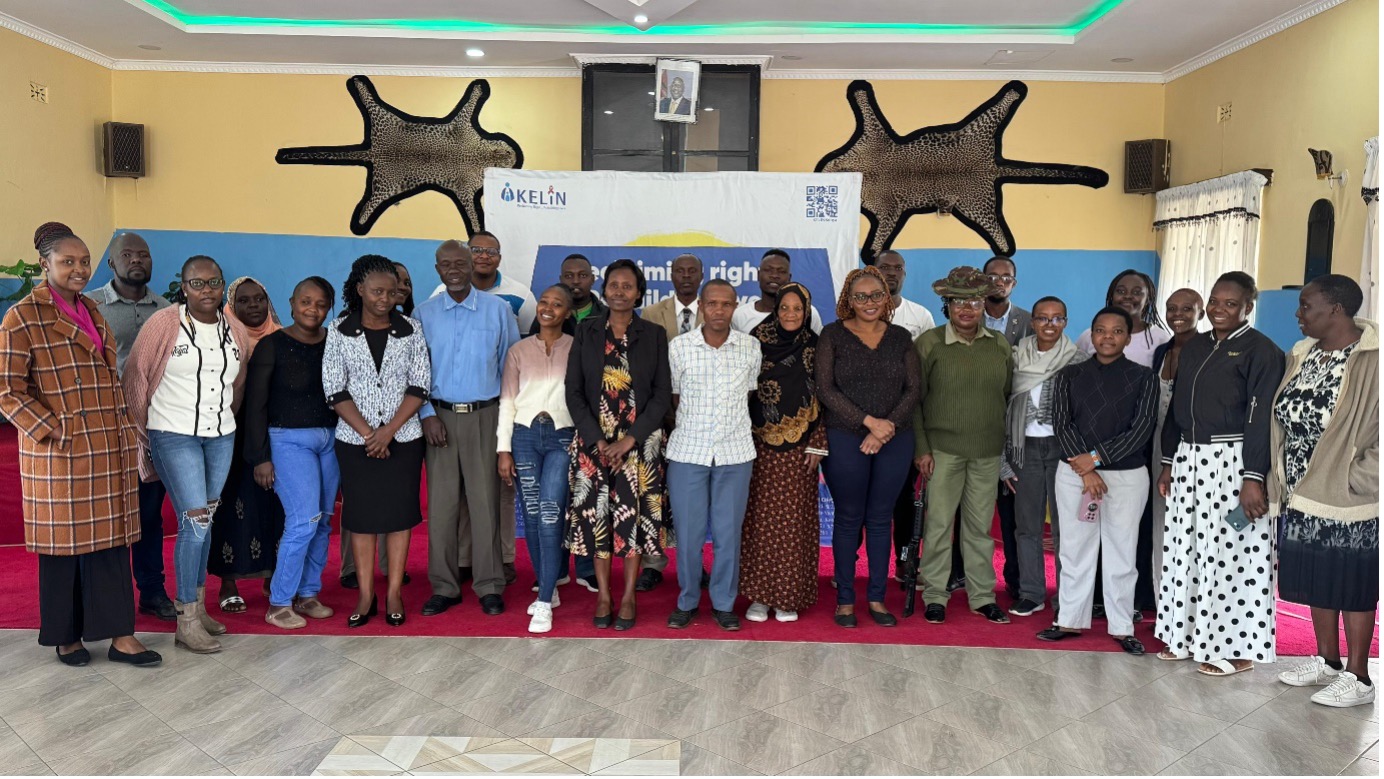
Pretoria, South Africa – September 3, 2025 – Civil society organisations reaffirmed their central role in advancing Sexual and Reproductive Health and Rights (SRHR) at the 2nd Regional Colloquium on SRHR, hosted at the University of Pretoria from September 1–3, 2025.
Convened by the Dullah Omar Institute (University of Western Cape), the Initiative for Strategic Litigation in Africa (ISLA), the Kenya Legal and Ethical Issues Network (KELIN), and the Centre for Human Rights (University of Pretoria), the gathering brought together academics, CSOs, researchers, and regional institutions under the Amplify Change-funded “Advancing SRHR in Africa” project.
Sexual and Reproductive Health and Rights (SRHR) remain central to advancing gender equality, health equity, and social justice in Africa. Despite progressive instruments such as the Maputo Protocol, many barriers persist—restrictive laws, weak health systems infrastructure, gender-based violence, and entrenched socio-cultural norms. Civil society organisations (CSOs) continue to be catalysts in bridging gaps between rights frameworks and real-world access. They drive strategic litigation, policy advocacy and, research interventions aimed at amplifying voices of the most underserved and promote full enjoyment and realization of these rights particularly where state capacity or political will is insufficient.
Discussions during the colloquium tackled pressing issues including digital health and privacy, misinformation, adolescent SRHR, rights of sexual and gender minorities, assisted reproductive technologies, public health emergencies, and litigation before regional human rights bodies.
Speaking on behalf of KELIN, Margaret Nyambura highlighted the importance of cross-country learning, pointing to Rwanda’s progressive law granting adolescents aged 15+ access to contraceptives. Melinda Mugambi reflected on KELIN’s more than 25 landmark litigation cases, calling for stronger enforcement of SRHR laws and consistency in Kenya’s abortion framework, citing Zambia’s reforms as a model.
KELIN reinforced its commitment to litigation and legislative advocacy aimed at ensuring a coherent legal framework to promote the highest attainable standard of health for all persons, including reproductive health.
The colloquium closed with a united call to deepen regional solidarity, resist shrinking civic space, and ensure SRHR is recognised as a matter of justice, equality, and dignity. Insights from the convening will be published in an open-access resource to guide future advocacy and policy development across Africa.
To contribute to the discussions on this forum, follow KELIN on our social media platforms: Twitter: @KELINKenya following the hashtag: #justice2health
For more information, please contact:
Margaret Nyambura
Programme Coordinator, Sexual Reproductive Health Rights
P. O. Box 112 – 00202 KNH Nairobi,
Tel: 020, 2515790
E-mail: margaretnyambura@kelinkenya.org
Website: www.kelinkenya.org