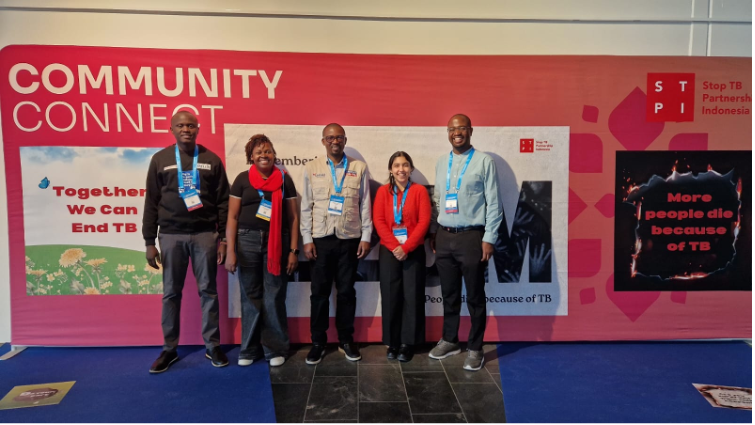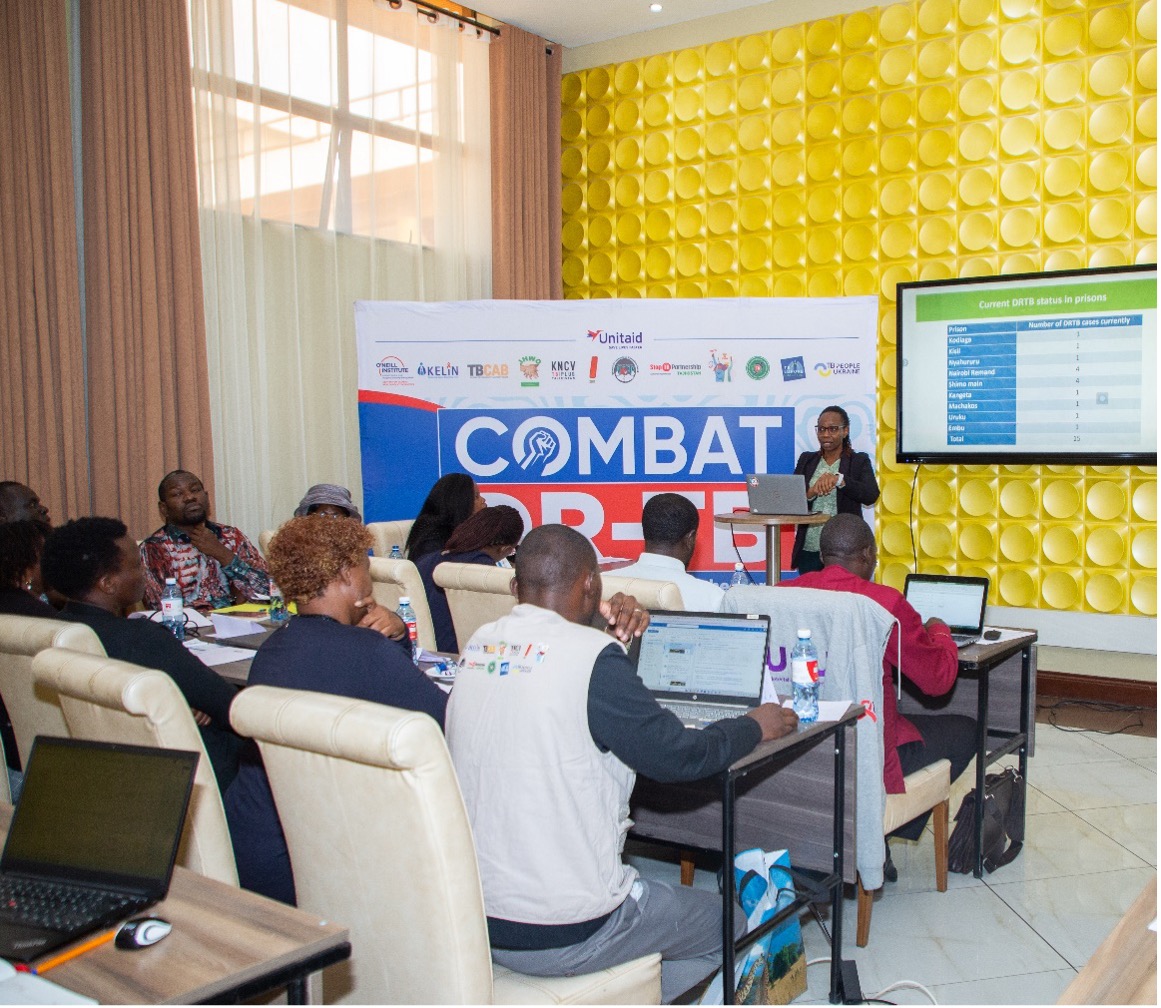
An inception meeting aimed at establishing a shared strategic vision across all implementing partners of the Combat DR-TB Project and harmonizing project goals was convened by the the Kenya Legal and Ethical Issues Network on HIV(KELIN) from the 10th-12th August 2025. The three-day meeting held in Mombasa brought together consortium partners who included TB Network (Nigeria), the Network of TB Champions (Kenya), Jointed Hands (Zimbabwe), TB Europe Coalition (Eastern Europe and Central Asia) and the Global Health Policy Partnership (GHPP).
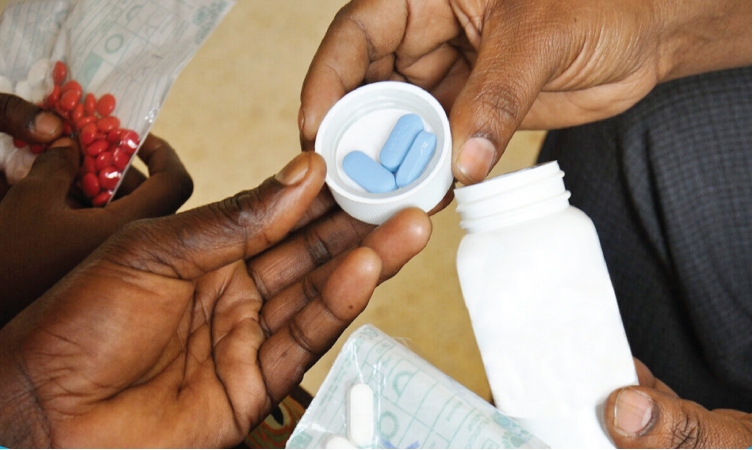
The Combat DR-TB Project is an ambitious global-south led three-year funded initiative by Unitaid. The project aims to transform the global response to drug-resistant tuberculosis (DR-TB) by utilizing the power of communities and civil society.
A highlight of the meeting discussion was on the consortium’s global advocacy that is built on civil society-led and community-driven principles. The consortium deliberated to focus on building community capacity, driving civil society and community-led engagement, action, and accountability and promoting evidence informed, policy responsive interventions aligned with human rights frameworks. This will be structured around six pillars which include access ecosystem, community capacity, national policy reforms, incarcerated populations, global health architecture engagement and accountability tools. The consortium also deliberated on strategies to tackle inequitable pricing, patent barriers, market fragmentation and licensing uncertainty. Actions will include monitoring and challenging pricing disparities, leveraging demand forecasts for BPaL/M regimen uptake to stabilize costs, promoting transparency on licensing which includes paediatric formulations and using clinical trial evidence.
On diagnostics, the consortium was united in a call for an urgent shift from microscopy to molecular testing, single disease testing to multi disease testing, sputum to non-sputum samples and facility based to community and home-based services. [HM1] This simply means We can test for diseases in many ways from using microscopes to advanced laboratory tests, from checking for one disease to checking on several at once, using samples like sputum or others and from offering tests at clinics to being tested in the community or even at home
“Ending DR-TB is not just a medical challenge, it’s a justice issue and communities are the game changers” said Allan Maleche-KELIN executive director.
The meeting concluded with a strong commitment to place communities at the forefront of ending TB and holding all stakeholders accountable for multisectoral collaboration. As consortium lead, KELIN reaffirmed its role in providing continued support and ensuring a coordinated approach across all partners.
For more information, please contact:
Duke Otieno
Advocacy Officer-HIV/TB
Kenya Legal and Ethical Issues Network on HIV & AIDS (KELIN)
Kuwinda Lane, Karen C, off Langáta Road