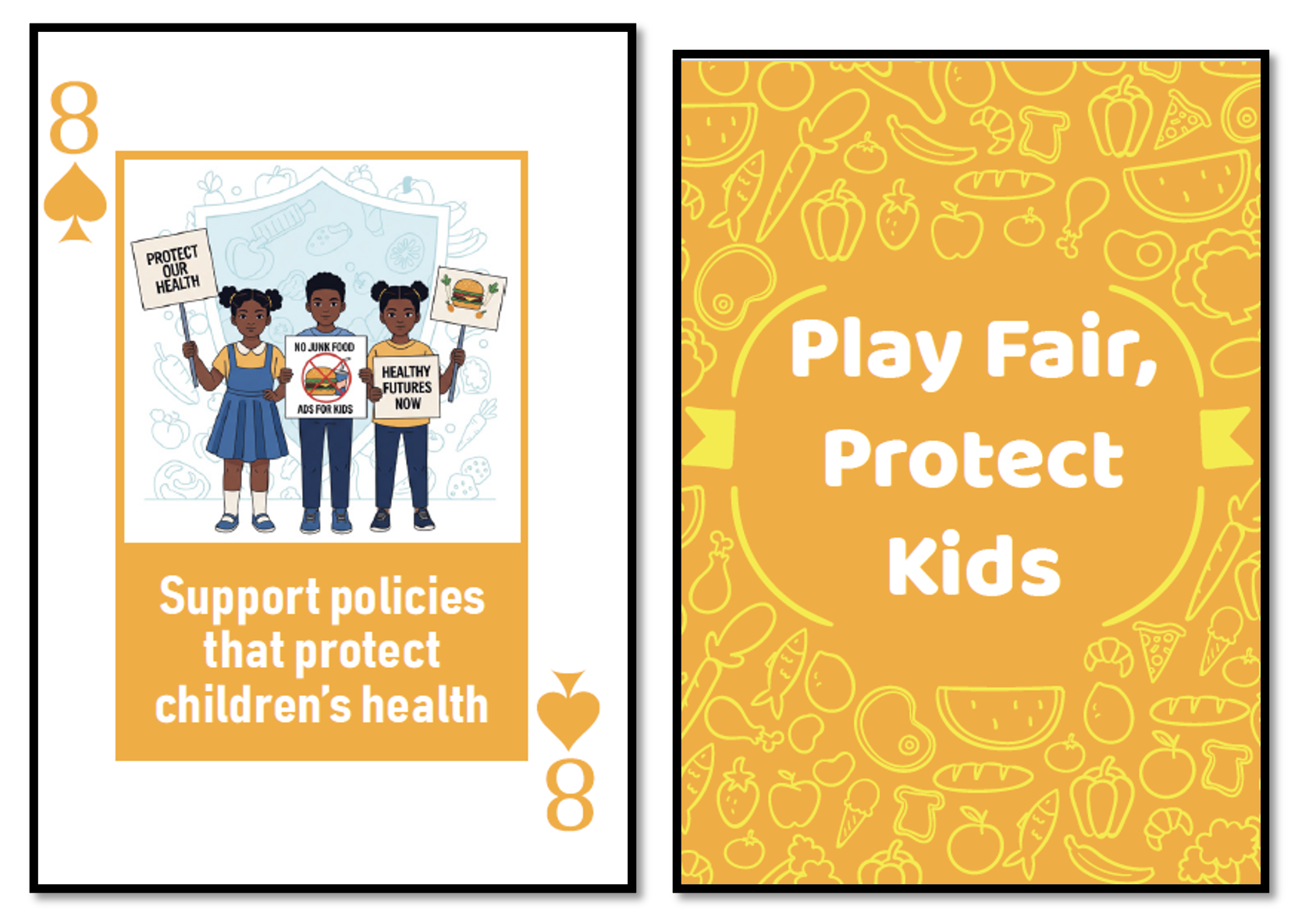
Childhood overweight and obesity are rising at alarming rates worldwide, and Kenya is not immune to this trend. According to the Joint Child Malnutrition Estimates by UNICEF, WHO, and the World Bank, there are nearly 41 million overweight children globally, an increase of 11 million since 2000. UNICEF warned that if current trends continued, the number of overweight or obese infants and young children globally would reach 70 million by 2025. As of 2020, the global prevalence of overweight among children under five years of age had not improved, increasing slightly from 5.3 percent in 2012 to 5.6 percent, or 38.3 million children, in 2019. In 2025, UNICEF reported a historic shift: for the first time in history, overweight and obesity among children surpassed underweight as the most common form of malnutrition worldwide. One in ten children aged 5 to 19 about 188 million globally are now living with obesity, compared to 9.2 percent who are underweight. This marks a dramatic change from 2000, when underweight affected nearly 13 percent of children in this age group while obesity stood at just 3 percent. Urgent efforts are needed to reverse this trajectory in order to halt the rise in childhood overweight and achieve the target of no more than 3 percent by 2030.
The World Health Organization emphasizes that unhealthy diets are a leading risk factor for non-communicable diseases (NCDs), beginning in childhood and accumulating throughout life. The Food and Agriculture Organization and WHO’s guiding principles further highlight that malnutrition now encompasses not only undernutrition but also obesity and diet-related NCDs. This broader understanding underscores the urgent need to address unhealthy diets as part of the fight against malnutrition in all its forms.
Marketing of unhealthy foods has been clearly associated with poor diets and increased NCDs among children. Foods high in saturated fats, trans-fatty acids, free sugars, or salt influence children’s preferences, purchase requests, and consumption patterns. Children are particularly vulnerable because they often lack the maturity to understand the persuasive intent of marketing. In 2010, WHO Member States, including Kenya, made a political commitment and endorsed a set of recommendations calling on governments to adopt policies restricting the marketing of foods and non-alcoholic beverages to children. Techniques include advertising, sponsorship, product placement, sales promotion, cross-promotions using celebrities or mascots, packaging and labelling, point-of-purchase displays, digital marketing, and viral campaigns. Given that the effectiveness of marketing is a function of both exposure and power, the overall policy objective should be to reduce children’s exposure to and the persuasive power of marketing unhealthy foods.
KELIN Kenya is advancing this global commitment by advocating for stronger policy and legal frameworks that protect children from harmful food marketing practices. KELIN seeks to safeguard children’s rights to health and nutrition, hold corporations accountable for harmful marketing practices, and align Kenya’s policies with international standards. This campaign calls on policymakers, civil society, educators, parents, and the media to unite in demanding clear regulations restricting marketing of unhealthy foods to children, effective enforcement mechanisms to ensure compliance, and promotion of healthy, affordable, and accessible diets for all children.