On 14th November 2025, consumer rights lawyers convened in Nairobi for a capacity-building workshop on the Right to Food to advance socio-economic rights in Kenya. The meeting was organized by a consumer grassroots association in collaboration with the Heinrich Böll Foundation, with technical support from KELIN as represented by Ms. Pauline Omoto.
The workshop examined comparative lessons from South Africa and India on the judicial protection of socio-economic rights and how these approaches can strengthen advocacy for the right to food in Kenya. In particular, participants discussed the reasonableness standard, which asks whether government actions to ensure access to food are practical, well-planned, and fair, especially in times of crisis. They also explored the progressive realization principle , that requires governments to steadily expand rights protection and avoid taking steps that move backwards. Another key concept was continuing mandamus, drawn from India, where courts supervise government compliance over time to ensure that food and social protection schemes are implemented effectively and reach communities in need.
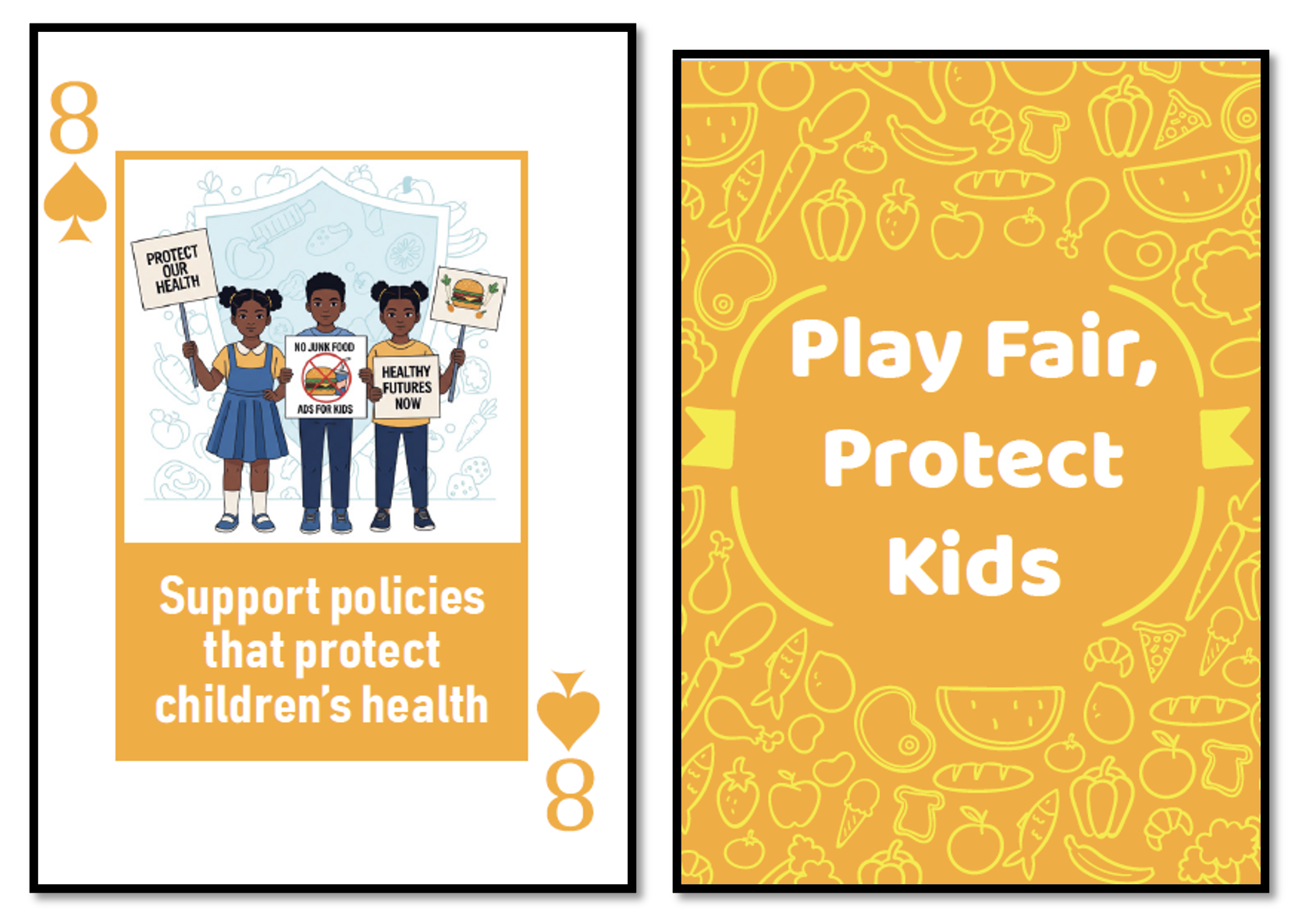
Ms. Omoto delivered a key presentation connecting the right to food with the push for a healthier food environment, including clearer nutrition labelling and restrictions on marketing unhealthy foods. “The fight for the right to food is one we must pursue from many fronts,” she stated. “Access is one part, nutrition and protection from harmful marketing are equally critical.”
The training further introduced environmental and public health principles that support the right to food, including the precautionary principle. This principle requires government to act to prevent harm, such as unsafe pesticides, contaminated food, or harmful marketing to children, even when full scientific certainty is not yet available. Participants also reflected on how public interest litigation can hold authorities accountable when food systems fail, and why access to a clean environment is central to ensuring safe and nutritious food.
Speaking during the workshop, the LSK Nairobi Chapter Chairman, Mr Eric Kivuva emphasized the need to broaden the national conversation on food rights. “We must build this conversation from the ground up,” he remarked. “Food is not just a commodity; it is a constitutional guarantee linked to the right to life. We need to look at it from safety, accessibility, and dignity perspectives if we are to realize the promise of Article 43.”
The workshop concluded with a call for continued collaboration to ensure that the constitutional promise of adequate nutritious food becomes a lived reality for all Kenyans. This aligns with KELIN’s ongoing work to prevent non-communicable diseases (NCDs) by advocating policies that promote healthy diets and physical activity through sustained multisectoral coordination across the country.
To contribute to the discussion, follow KELIN on our social media platforms.
Twitter: @KELINKenya
http://www.facebook.com/kelinkenya
For more information, please contact.
Pauline Omoto
Program Officer, Health & Governance
Kenya Legal and Ethical Issues Network on HIV & AIDS (KELIN)
Kuwinda Lane, Karen C, off Langáta Road
Email: paulineomoto@kelinkenya.org