The World Health Organization emphasizes that unhealthy diets are a leading risk factor for non‑communicable diseases (NCDs), beginning in childhood and accumulating throughout life. WHO recommends consumption of at least 400 grams of fruits and vegetables per day, limited intake of fats, sugars, and salt, and balanced energy consumption. The Food and Agriculture Organization and WHO’s guiding principles further highlight that malnutrition now encompasses not only undernutrition but also obesity and diet‑related NCDs. This broader understanding calls for urgent action to address unhealthy diets as part of the fight against malnutrition in all its forms.
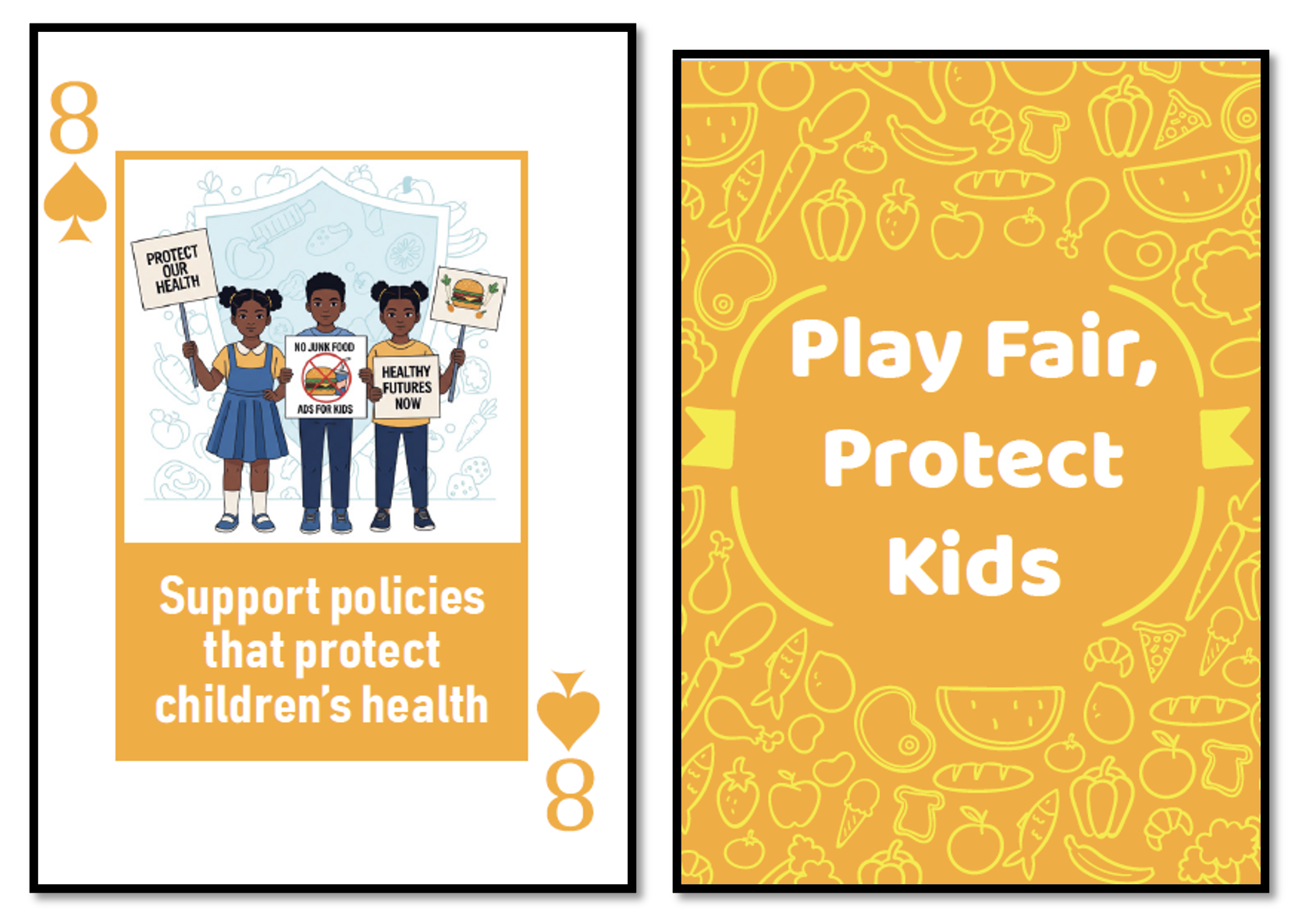
Marketing of unhealthy foods has been clearly associated with poor diets and increased NCDs among children. Foods high in saturated fats, trans‑fatty acids, free sugars, or salt influence children’s preferences, purchase requests, and consumption patterns. Children are particularly vulnerable because they often lack the maturity to understand the persuasive intent of marketing. The Convention on the Rights of the Child (CRC), Article 24, recognizes the right of every child to the highest attainable standard of health and obliges states to take measures to combat disease and malnutrition. Article 17 further requires states to regulate harmful information and marketing directed at children. Kenya’s Constitution (2010), Article 53, guarantees every child the right to basic nutrition, shelter, and health care. The Children Act (2022), Section 8, affirms the right of the child to health and nutrition, while Section 19 emphasizes protection from harmful cultural practices and exploitation, which includes manipulative marketing. Internationally, WHO Member States, including Kenya, endorsed the 2010 Set of Recommendations on the Marketing of Foods and Non‑Alcoholic Beverages to Children, which calls for policies to reduce both the exposure of children to, and the power of, marketing unhealthy foods.
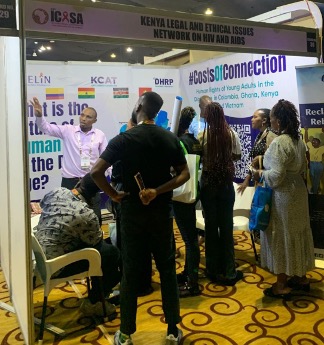
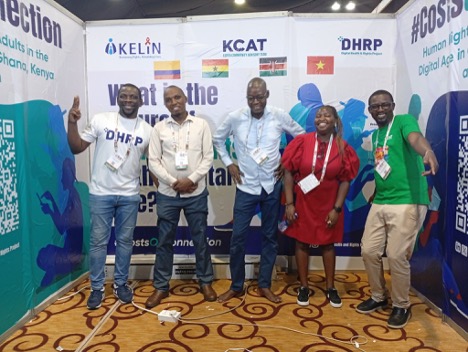
KELIN Kenya is advancing this global and national commitment by advocating for stronger policy and legal frameworks that protect children from harmful food marketing practices. Through legal research, strategic advocacy, and community engagement, KELIN seeks to safeguard children’s rights to health and nutrition, hold corporations accountable for harmful marketing practices, and align Kenya’s policies with international standards and WHO recommendations. By strengthening the law and policy environment, Kenya can protect children’s rights today and secure a healthier future for generations to come.