Kadoma, Zimbabwe, 29 April 2026
Zimbabwe’s response to drug-resistant tuberculosis (DR-TB) took a critical step forward today in Kadoma, as national and regional stakeholders convened to confront rising mortality and close persistent gaps in care.
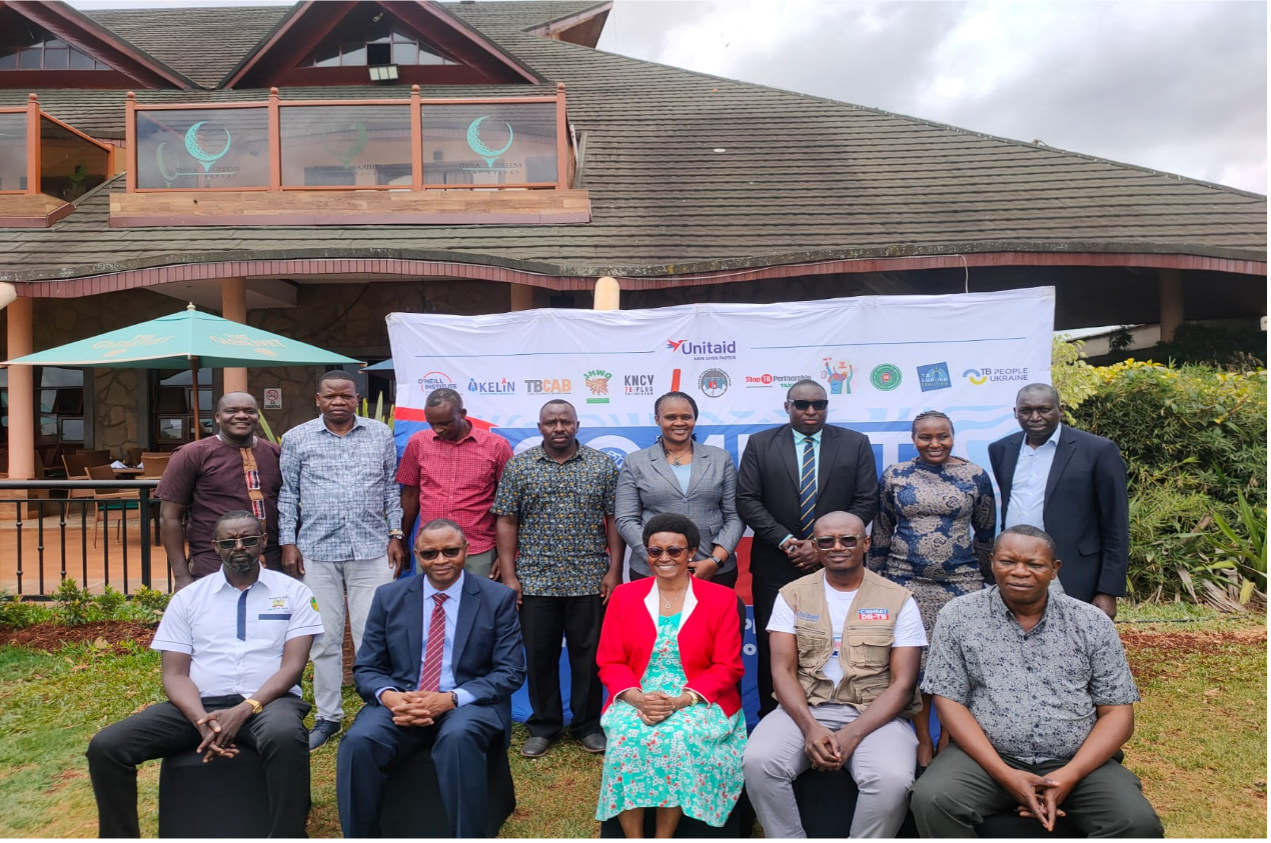
The National DR-TB Clinical and Death Audit Meeting, convened by the Zimbabwe National TB Programme (NTP), brought together clinicians, policymakers, community representatives, and partners to strengthen accountability and translate evidence into action.
Deliberations opened with a focus on aligning stakeholders around evidence-informed decision-making. Presentations from the National TB Programme highlighted key challenges across the DR-TB care cascade, including delays in diagnosis, treatment interruptions, and poor patient outcomes; underscoring the urgent need for stronger coordination and patient-centred approaches.
A central feature of the meeting was the presentation of draft advocacy briefs by Jointed Hands Welfare Organisation (JHWO), grounded in community and programme data. The briefs outlined practical, system-level interventions to address gaps in care and reduce preventable deaths.
Regional perspectives were brought in by KELIN, which shared Kenya’s experience in strengthening TB policy and institutionalizing death audit systems. The presentation emphasized the value of human rights-based approaches and participatory audit processes in improving accountability and patient outcomes.
“What stands out from these discussions is how consistent the gaps are: delays in diagnosis, interruptions in treatment, and challenges in follow-up. Addressing DR-TB requires stronger coordination across the system and a deliberate focus on the patient journey,” said Ibrahim Kimani, Programme Officer – HIV & TB at KELIN.
The meeting also undertook detailed mortality reviews, with case-based presentations from provincial and district teams highlighting recurring service delivery gaps. These discussions enabled stakeholders to identify priority corrective actions at both clinical and system levels.
“Community voices are critical in shaping effective responses. Advocacy must reflect lived realities and push for accountability where systems are not delivering,” noted Yeukai Chiranga, Project Coordinator – Jointed Hands Welfare Organisation.
The convening concluded with the development of a clear roadmap to translate evidence and discussions into actionable priorities aligned with national strategies. Key recommendations will inform the upcoming Multisectoral TB Policy and Legal Roundtable scheduled for 30 April.
The Kadoma meeting marks an important step in ensuring that Zimbabwe’s TB response is grounded in evidence, accountability, and the lived realities of affected communities, with a clear focus on reducing preventable deaths and strengthening health systems.
For more information, please contact:
Ibrahim Kimani
Programme Officer – HIV & TB
Kenya Legal and Ethical Issues Network on HIV & AIDS (KELIN)
Email: wainainakimani@kelinkenya.org
Yeukai Chiranga
Project Coordinator – COMBAT DRTB
Jointed Hands Welfare Organisation
Email: yeukai@jointedhands.org