NAKURU, KENYA 25th – 29th May 2026
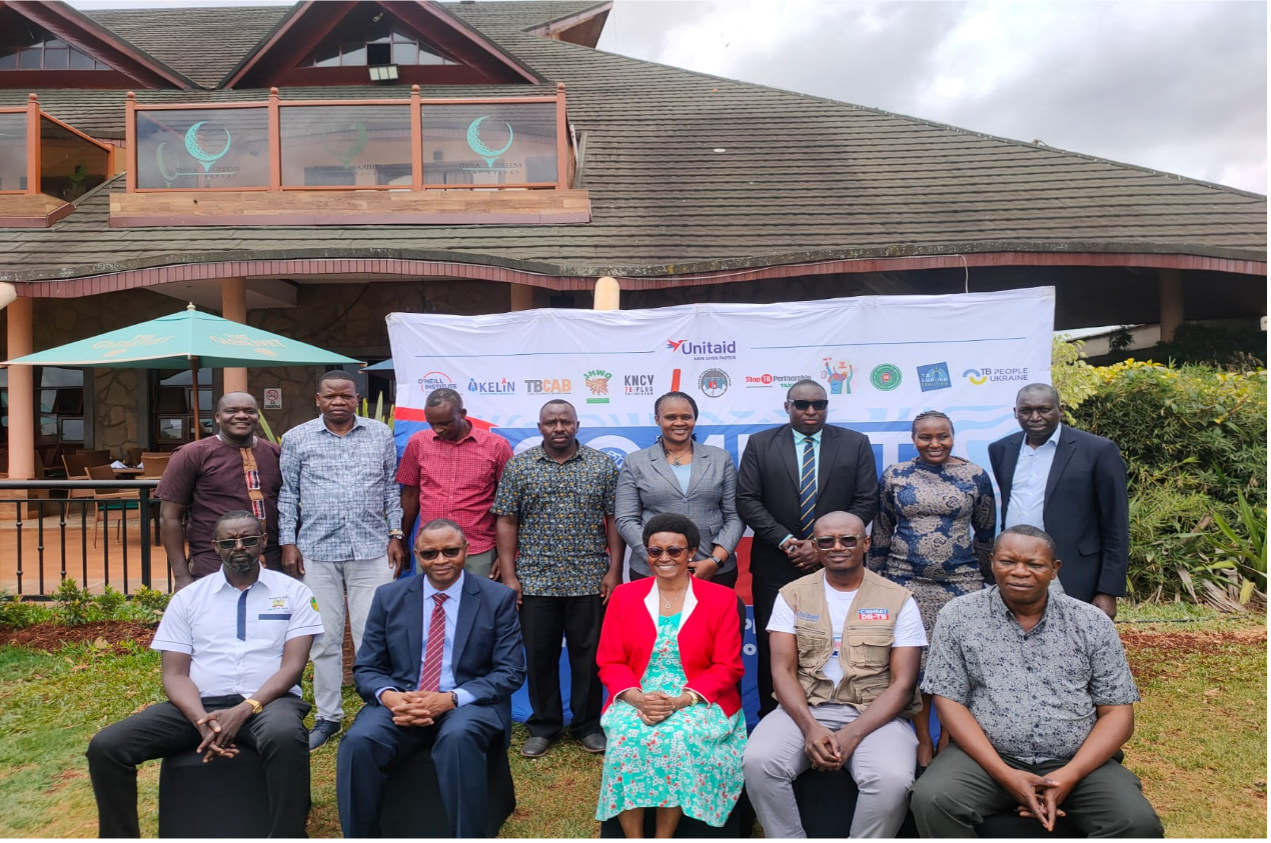
For the first time in Kenya’s history, correctional health stakeholders have sat together to discuss a dedicated national policy to protect the lung health and rights of inmates across all the country’s correctional facilities. The Workshop, convened by the Kenya Prisons Service (KPS) discussed a foundational draft of the KPS Policy on Tuberculosis, Leprosy and Lung Disease, a milestone in Kenya’s response to disease transmission behind bars.
A Crisis Hidden Behind Bars
Kenya’s correctional system manages tens of thousands of inmates across 136 penal institutions, with an estimated 150,000 passing through annually. Correctional facilities, characterised by severe overcrowding and poor ventilation, are among the highest risk environments for respiratory disease transmission. Yet until now, no single policy instrument existed to govern TB, leprosy, and lung disease management across these facilities.
Inmates passing through the system face fragmented care pathways, and poor transfer continuity. A National Advocacy Forum held in March 2026 formally resolved to address this gap leading to the current workshop.
Convened by the Kenya Prisons Service Health Unit and the National TB and Leprosy Programme (NTLP), and funded through the Unitaid-supported COMBAT DR-TB Project implemented by KELIN, the workshop brought together over fifteen institutions including CHAI, Amref Health Africa, LVCT Health, the Kenya Police Service, the Judiciary, County TB and Leprosy Coordinators, community TB Champions among others.
The workshop discussed a draft policy that is anchored on four strategic pillars. The first addresses Screening and Diagnosis, establishing multi disease entry, periodic, and exit screening protocols across all facilities. The second covers Treatment and Case Management, setting integrated standards for drug-sensitive and drug-resistant TB, leprosy, and chronic lung disease, including psychosocial support. The third pillar on Continuity of Care introduces standardised transfer protocols and community reintegration pathways to ensure no patient is lost between facilities or upon release. The fourth pillar on Governance and Data Systems embeds rights protections aligned with Kenya’s Constitution and the UN Nelson Mandela Rules.
KELIN’s engagement in this process is grounded in a right based framework. Under Kenya’s Constitution and the UN Nelson Mandela Rules, the state bears an obligation to provide healthcare , including TB prevention and treatment to persons in custody.
Beyond the correctional system, the policy under discussion carries significant public health implications for surrounding communities. Untreated TB in prisons does not stay in prisons. Discharged inmates, prison staff, and their families are all part of the transmission chain. Closing the correctional facility gap is, in effect, closing a gap in Kenya’s national TB response.
For more information, please contact:
Ibrahim Kimani
Program officer – HIV/TB wainainakimani@kelinkenya.org
Kenya Legal and Ethical Issues Network on HIV & AIDS (KELIN)
Kuwinda Lane, Karen C, off Langáta Road