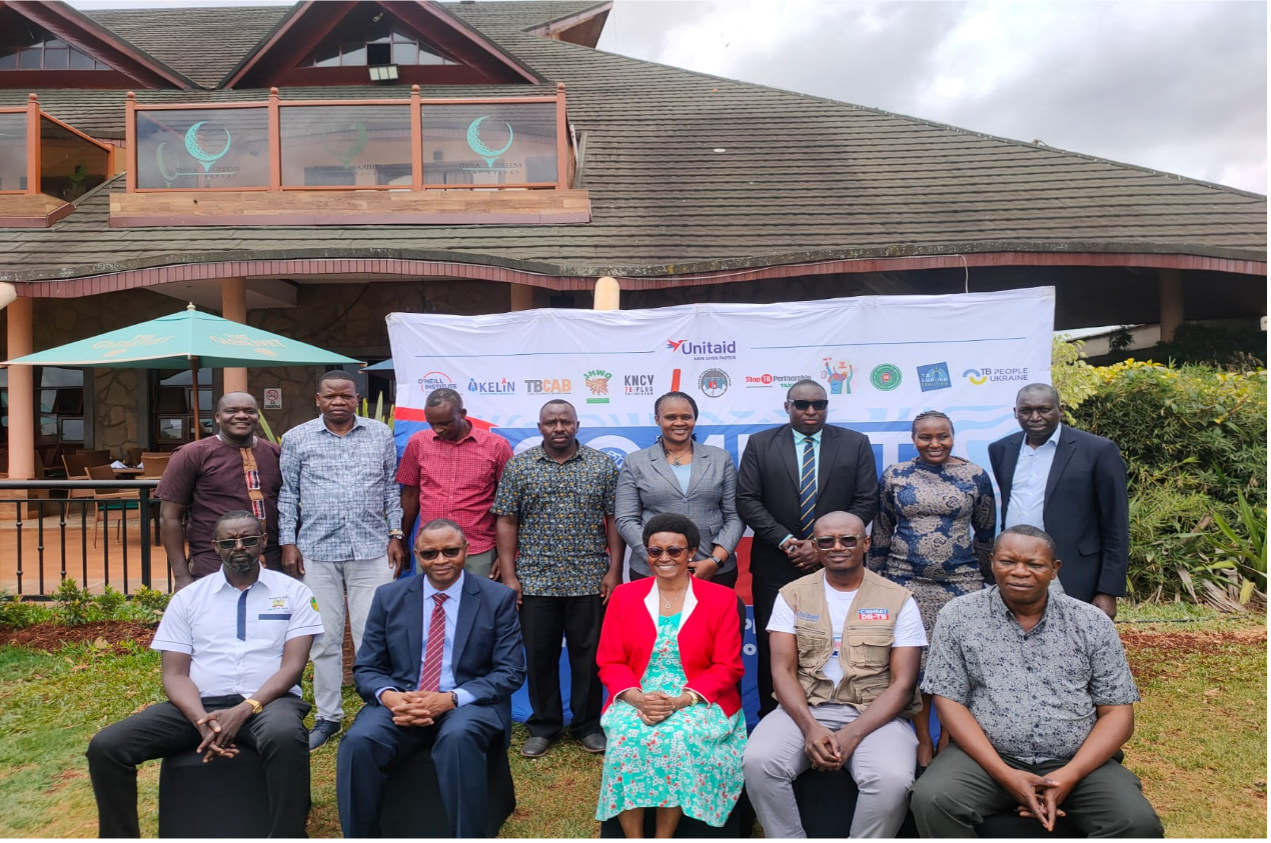
On Friday, 14 August 2026, KELIN hosted a dialogue with the secretariat to the parliamentary health committee. The dialogue examined the country’s growing burden of non-communicable diseases (NCDs) and how the secretariat can support Parliament to propel Kenya towards a conducive policy framework for healthy diets.
With NCDs now accounting for more than half of registered deaths in Kenya, participants confronted an uncomfortable reality: individual choices alone cannot solve a problem shaped by what food is available, how it is marketed, how it is priced, and critically, how consumers are informed.
Discussions highlighted excessive consumption of foods high in sugars, sodium (salt), and fats – the nutrients of concern identified in the Kenya Nutrient Profile Model – and their association with increased risk of diet-related non-communicable diseases (NCDs), including obesity, diabetes, and cardiovascular diseases.
During the meeting, members of the Food Policy Coalition Kenya and the Parliamentary Health Committee Secretariat were presented with lessons from Chile and Finland on creating healthier food environments. Chile introduced front-of-pack warning labels and restrictions on the marketing of unhealthy foods, which contributed to reduced exposure of children to unhealthy food advertising and changes in consumer purchasing patterns, while Finland’s long-term community-based prevention approach contributed to major reductions in cardiovascular disease. These experiences demonstrated that changing the food environment can enable healthier choices at a population level.
The biggest takeaway was simple: Kenya does not lack evidence; it needs action. With key measures such as front-of-pack warning labels, trans-fat elimination, restrictions on unhealthy food marketing, and fiscal measures already on the policy agenda, participants called for a shift from discussion to implementation, accountability, and parliamentary action. The proposed parliamentary caucuses and stronger engagement with MPs and Senators were seen as critical to turning evidence into healthier food environments.
To contribute to the discussion on this forum, follow us on:
Twitter/X: @KELINKenya
Facebook: http://www.facebook.com/kelinkenya
For more information, please contact:
Trevor Mwangi – Program Officer| Health Governance
Kuwinda Lane, off Langata Road, Karen C
P O Box 112 – 00202 KNH Nairobi
Tel: 020, 2515790
E-mail: trevormwangi@kelinkenya.org
Website: www.kelinkenya.org