Nakuru, Kenya, 6 August 2026:
Kenya has taken a significant step towards strengthening tuberculosis (TB) prevention, diagnosis, treatment and care in correctional facilities following a technical meeting to refine the Kenya Prisons Tuberculosis (TB) Policy.
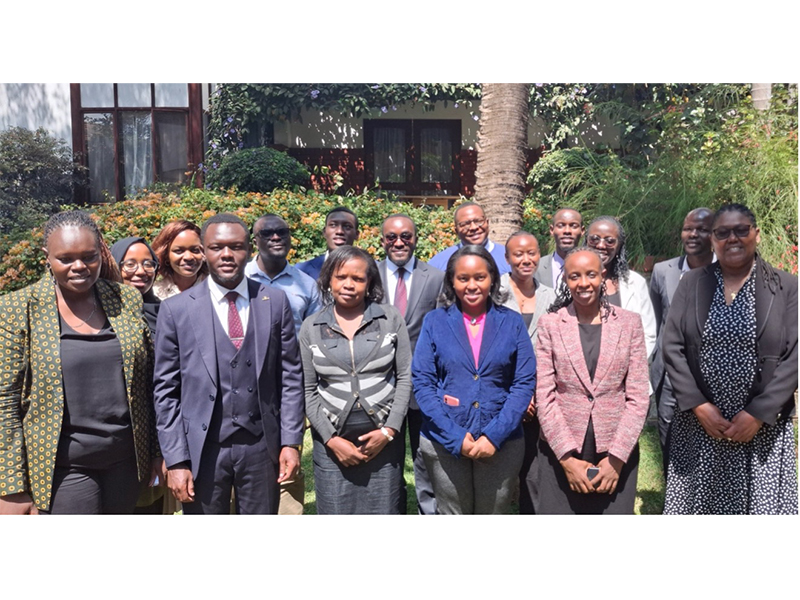
Convened by KELIN in collaboration with the Kenya Prisons Service and the National Tuberculosis, Leprosy and Lung Disease Program (NTLD-P), the two-day meeting brought together a multidisciplinary technical team to transform the policy’s Zero Draft into a stronger, coherent and implementation-oriented Draft One.
The policy development is part of broader efforts supported through the COMBAT DR-TB project, funded by Unitaid, to strengthen the response to drug-resistant tuberculosis (DR-TB), including advocacy, accountability and access to quality TB services for vulnerable and underserved populations.
The need for a stronger policy framework is particularly important in prison settings, where overcrowding, poor ventilation, delayed diagnosis and limited access to comprehensive health services can increase the risk of TB transmission and contribute to poor health outcomes among inmates.
The technical process focused on strengthening the policy’s overall direction, including harmonising policy language, aligning it with national TB guidelines and strategic priorities, clarifying institutional roles and responsibilities, and strengthening implementation, monitoring and accountability frameworks. Recommendations from previous stakeholder consultations were also incorporated into the revised document.
Through intensive technical review, live drafting, consensus building and editorial harmonisation, stakeholders worked to ensure that the policy responds to the realities of TB prevention and care within Kenya’s correctional system.
The importance of this process was underscored during the meeting by representatives from the Kenya Prisons Service and the National TB Programme, who emphasised the need for a policy framework that is practical, coordinated and responsive to the realities of TB prevention and care within correctional facilities.
The emerging policy provides an important opportunity to move beyond responding to individual TB cases in prisons and strengthen attention to the wider structural and institutional factors that influence TB transmission, prevention, diagnosis, treatment and access to care among people deprived of liberty.
For more information:
Ibrahim Kimani
Programme Officer – HIV/TB
KELIN
Email: wainainakimani@kelinkenya.org