Dakar, Senegal 8-9 July 2026
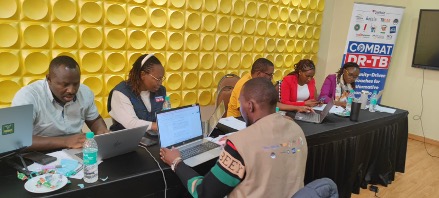
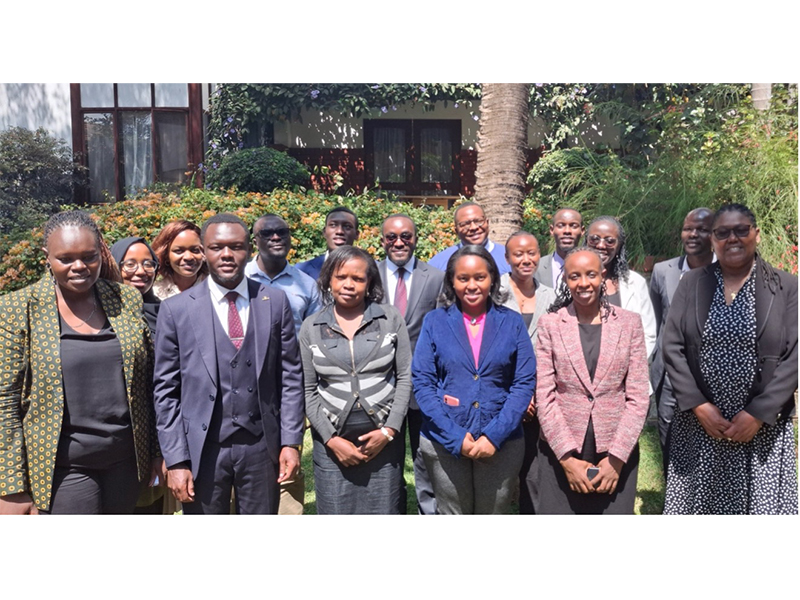
Stakeholders from across Senegal’s health, research, regulatory, industrial, and civil society sectors gathered in Dakar for the National Symposium on Intellectual Property, Pharmaceutical Innovation and Access to Medicines. Organized jointly by KELIN, and ENDA Santé, with support froim ITPC-Global, the meeting provided a timely platform to examine how intellectual property (IP) policies can better support public health and strengthen Senegal’s pharmaceutical future.
Against a backdrop of lessons learned from the COVID-19 pandemic, global supply chain disruptions, and declining external health financing, participants emphasized the need for Senegal to build a more resilient and self-reliant pharmaceutical system.
A key focus of the symposium was the role of intellectual property as a public health tool. Discussions highlighted how patent systems, when properly implemented, can promote innovation while also creating pathways for greater access to affordable medicines. Participants examined the public health safeguards available under the World Trade Organization’s TRIPS Agreement, including compulsory licensing, patent opposition mechanisms, parallel importation, and the Bolar exception, all of which can help countries improve access to essential medicines.
Despite these opportunities, the symposium revealed that many of these legal flexibilities remain underutilized in Senegal due to limited technical expertise, insufficient institutional coordination, and a lack of strategic use of available policy tools.
The discussions also identified broader challenges affecting access to medicines, including heavy dependence on pharmaceutical imports, limited local manufacturing capacity, constrained investment, and inadequate information sharing among stakeholders. At the same time, participants noted the growing burden of non-communicable diseases such as cancer, diabetes, and hypertension, underscoring the need for pharmaceutical policies that respond to evolving health priorities.
A recurring theme throughout the symposium was pharmaceutical sovereignty. Participants agreed that sovereignty does not mean complete self-sufficiency, but rather the capacity to ensure sustainable and equitable access to essential medicines while strengthening local innovation and production capabilities.
Among the key recommendations were the creation of a National Committee on Access to Medicines and Intellectual Property, stronger use of TRIPS flexibilities, the development of a national medicines observatory, support for applied research and clinical trials, and measures to create a more enabling environment for local pharmaceutical manufacturing.
The symposium concluded with a clear message : intellectual property should not be viewed solely as a mechanism for protecting innovation, but also as a strategic tool for improving public health outcomes. By leveraging existing legal opportunities and strengthening collaboration among government, industry, researchers, and civil society, Senegal has an important opportunity to expand access to safe, effective, and affordable medicines while advancing its long-term pharmaceutical sovereignty.
See related news items below :
- https://www.seneplus.com/article/le-senegal-explore-les-flexibilites-des-brevets-pour-renforcer-sa-souverainete
- https://fr.apanews.net/health/senegal-ladpic-comme-levier-pour-la-souverainete-pharmaceutique/
For more information, please contact :
Pesa Okania | Programme Officer – HIV, TB and KAPS-KELIN
and Dr Papa Djibril NDOYE, MPH| Directeur Adjoint / Deputy Director | ENDA Santé
E-mail : okaniapesa@kelinkenya.org : djibril.ndoye@enda-sante.org
Website: www.enda-sante.org
Website: www.kelinkenya.org