As Parliament considers the 2026/2027 Finance Bill, Transform Health Kenya (THK) has raised concerns that increased taxation on digital tools and connectivity could undermine equitable access to healthcare, particularly for young people and low-income communities.
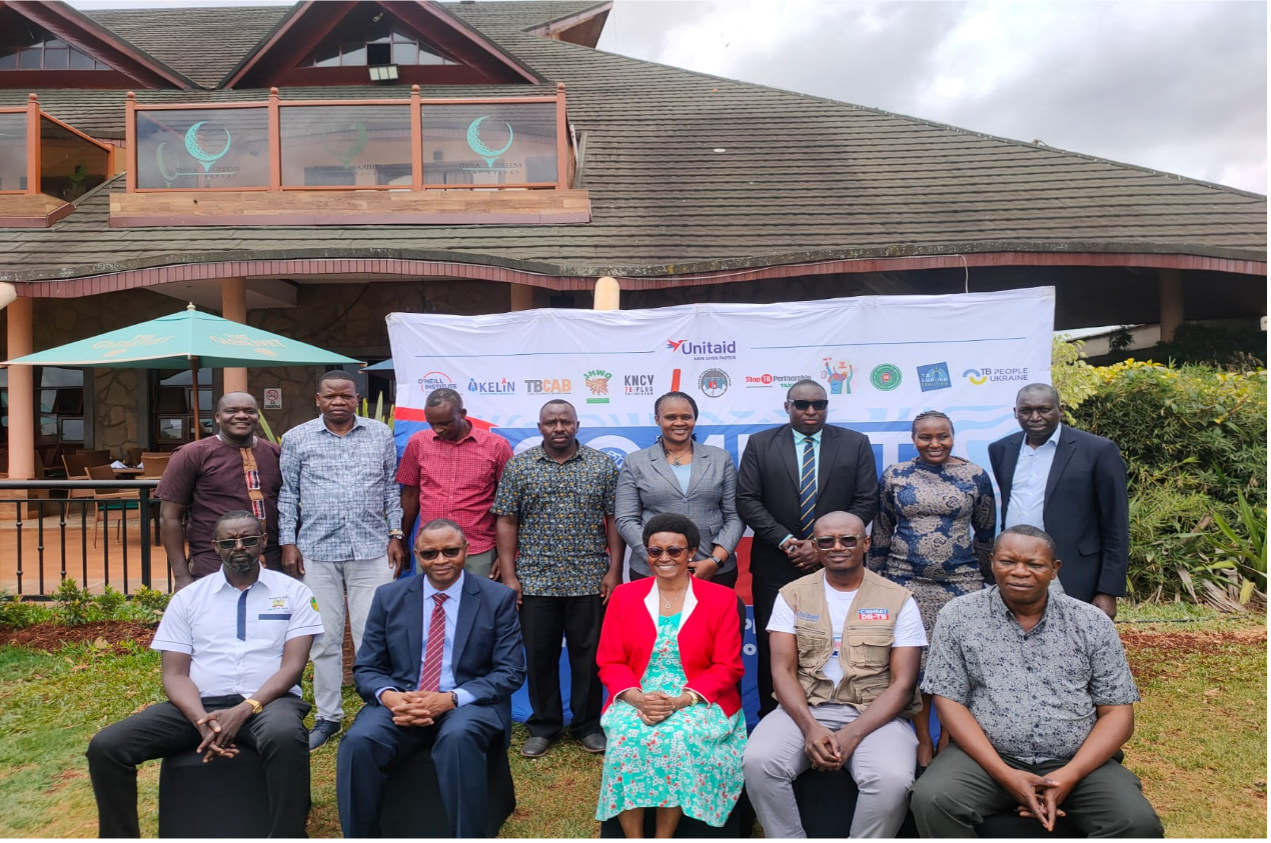
KELIN, as the national coordinator of THK, joined coalition members in making submissions to the National Assembly during a stakeholder hearing on the 2026/2027 Finance Bill. In its submissions, THK advocated for equitable and people-centred approaches to digital health financing and governance.
One of the key themes emerging from the hearings was the growing recognition that digital health is no longer optional within Kenya’s healthcare system. From community health promoters using mobile devices to patients accessing care through online platforms, digital tools are increasingly shaping access to healthcare across the country.
KELIN and THK called for taxation approaches that protect access to essential digital tools and health technologies, warning that rising costs could deepen exclusion for communities already facing barriers to healthcare. The hearings also highlighted broader conversations around equity, access, and public participation within policymaking processes. Questions were raised around how taxation policies can support, rather than slow down, Kenya’s digital health transformation and Universal Health Coverage goals.
. The coalition highlighted the disproportionate impact such costs may have on young people, low-income households, and patients increasingly relying on digital health platforms for care and information.
The discussions also reflected growing recognition of the importance of youth inclusion and public participation in shaping Kenya’s digital health agenda. The discussions reinforced the importance of ensuring that youth voices remain part of shaping Kenya’s growing digital health ecosystem and financing priorities.
As Kenya accelerates its digital transformation agenda, THK and KELIN continue to advocate for financing and governance approaches that expand, rather than restrict, equitable access to healthcare and digital public infrastructure. .
Article by Shekina Plowman (she/her), MPH Black Health Candidate, University of Toronto, currently on practicum placement at KELIN.
To contribute to the discussion, follow KELIN on our social media platforms: Twitter; LinkedIn
For more information, please contact:
Trevor Mwangi
Program Officer
Kenya Legal and Ethical Issues Network on HIV & AIDS (KELIN)
Kuwinda Lane, Karen C, off Langáta Road
Email: trevormwangi@kelinkenya.org
Website: https://www.kelinkenya.org