KELIN convenes stakeholders to strengthen healthy food environments through policy advocacy, digital innovation, and collaborative action in Kenya
As digital platforms increasingly influence what people eat, new public health challenges are emerging. Online food marketing, influencer culture, targeted advertising, and food delivery platforms are reshaping dietary habits, particularly among children and young people. At the same time, Kenya continues to face a growing burden of non-communicable diseases (NCDs) such as diabetes, hypertension, and heart disease.
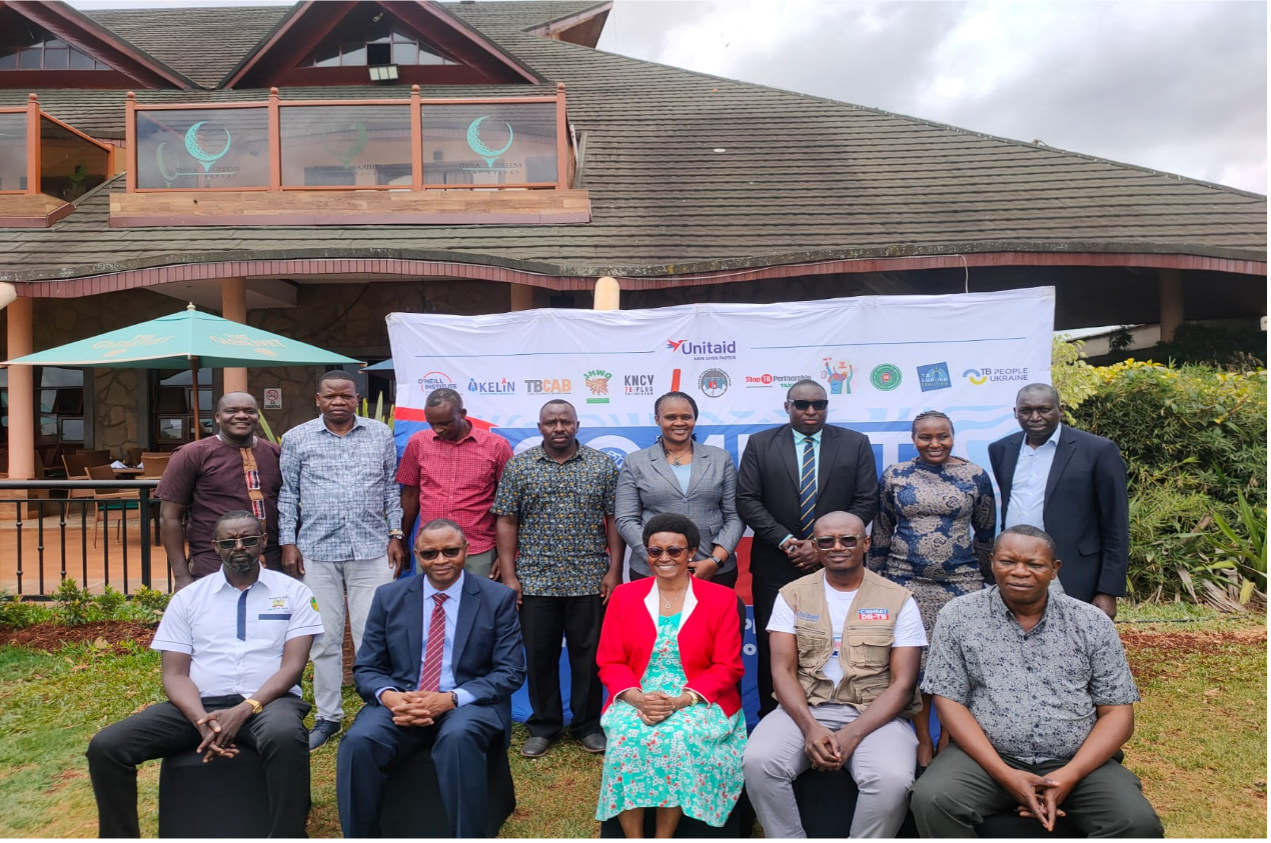
In response, KELIN convened a two-day multi-stakeholder dialogue on digitisation, food policy, and NCD prevention to explore how Kenya can build healthier digital food environments and strengthen policy responses that protect the right to health.
.
The dialogue forms part of KELIN’s broader work to address the commercial determinants of health and advance policies that support healthier diets and stronger public health outcomes in Kenya.
A clear message emerged from the discussions: healthy diets can no longer be separated from the digital world.
Today, food choices are increasingly shaped by digital platforms, targeted advertising, influencers, and algorithm-driven content. Participants raised growing concern about how these digital forces—often invisible and highly persuasive—are influencing dietary behaviours, especially among children and young people. The need for stronger safeguards in digital spaces was a recurring theme throughout the dialogue.
Kenya is experiencing a steady rise in NCDs, which are now among the leading causes of illness and death. While public health efforts have traditionally focused on individual behaviour change, participants noted that food choices are increasingly shaped by digital environments. Without appropriate safeguards, online spaces risk becoming powerful channels for promoting unhealthy foods, particularly to children and young people. Addressing these challenges requires policy action that keeps pace with rapidly evolving digital technologies and marketing practices.
As Pauline Omoto of KELIN observed, “some things can be morally wrong, but not illegal, and children are a vulnerable population we need to protect.” Her remarks underscored rising concerns about digital food marketing practices and the urgent need for policies that prioritize public health over commercial interests in online spaces.
For KELIN, this evolving landscape presents an urgent policy challenge. Building healthy food environments now requires more than individual responsibility—it demands regulatory frameworks that protect consumers, empower communities, and ensure accountability from industry actors. Participants also reflected on whether existing food policies are keeping pace with rapidly evolving digital marketing practices and the expanding influence of online food ecosystems.
Three key advocacy priorities emerged from the dialogue:
- Protecting children from harmful food marketing, particularly in digital environments
- Creating healthier food environments that make nutritious options accessible, affordable, and visible
- Empowering communities through nutrition education and meaningful participation in policymaking processes
Through its healthy diets and public health work, KELIN continues to advocate for policies that address the commercial and structural drivers of NCDs while protecting the right to health.
The dialogue will inform KELIN’s ongoing advocacy on healthy diets, digital governance, and consumer protection, including engagement with policymakers, civil society partners, researchers, and communities to advance healthier digital food environments in Kenya.
Article by Shekina Plowman (she/her), MPH Black Health Candidate, University of Toronto, currently on practicum placement at KELIN.
To contribute to the discussion, follow KELIN on our social media platforms.
For more information, please contact:
Trevor Mwangi
Program Officer
Kenya Legal and Ethical Issues Network on HIV & AIDS (KELIN)
Kuwinda Lane, Karen C, off Langáta Road
Email: trevormwangi@kelinkenya.org
Website: https://www.kelinkenya.org