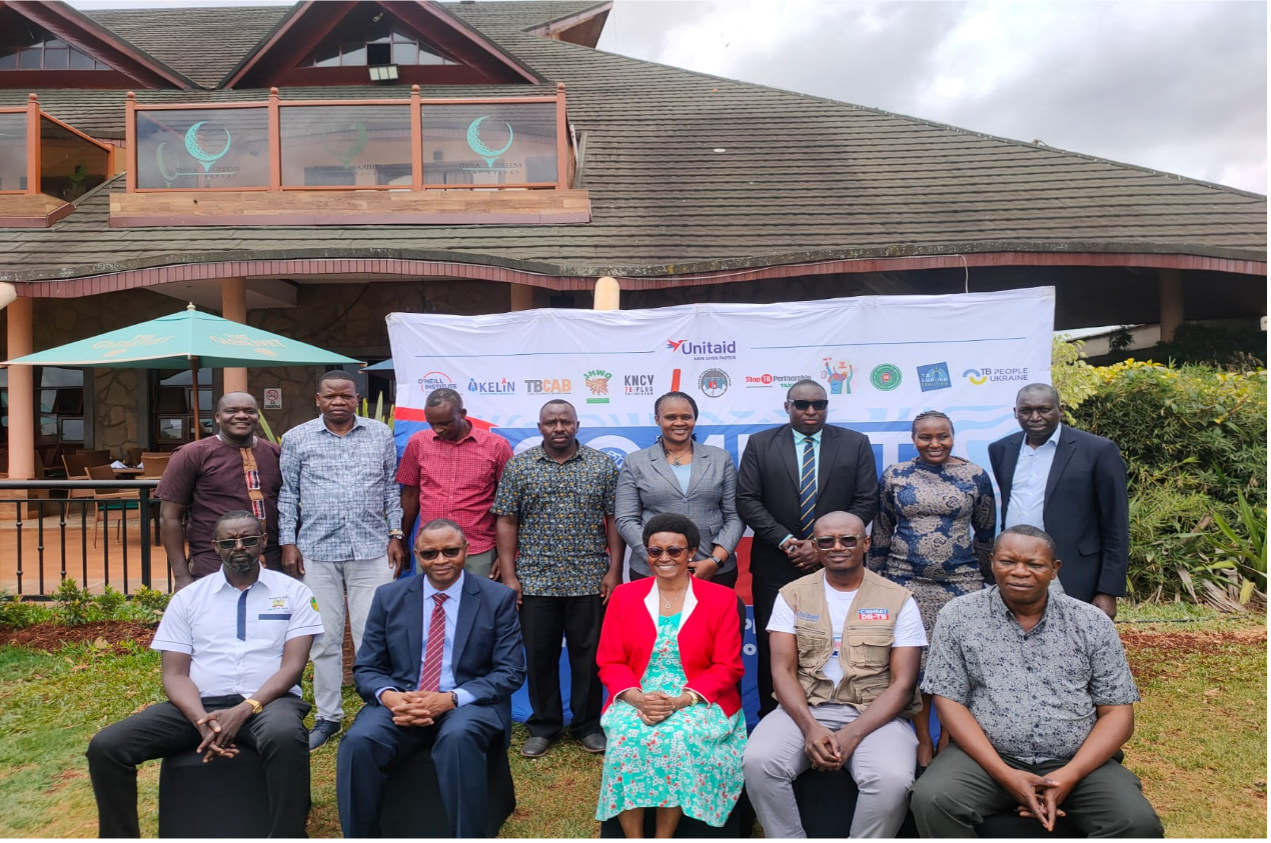
On 17th September 2026, KELIN convened key stakeholders to validate a simplified version of the Kenya Nutrient Profile Model (KNPM), a technical document by the Ministry of Health that supports efforts to create healthier food environments and prevent non-communicable diseases (NCDs).
Standing in front of a supermarket aisle filled with packaged foods does not always make choosing a healthy option easy. A growing concern is the increased availability and consumption of pre-packaged foods containing high levels of sugar, salt, and unhealthy fats. Excessive intake of these nutrients is associated with a higher risk of diet-related NCDs, including cardiovascular diseases, diabetes, and certain cancers. While nutrition information is often available on food packaging, many consumers struggle to interpret what the numbers and percentages really mean for their health. The reality is that food choices are influenced by much more than individual preferences. What people eat is shaped by the foods available to them, how products are marketed, and how easily they can understand the information provided. In Kenya, where non-communicable diseases (NCDs) account for approximately 41% of all deaths and 50% of hospital admissions, creating healthier food environments is an important component of prevention. Unhealthy diets and physical inactivity remain among the leading risk factors for NCDs. This raises an important policy question: How can Kenya consistently identify foods with excessive levels of these nutrients and use that information to promote healthier choices?
The Kenya Nutrient Profile Model (KNPM) provides a practical and evidence-based answer. The model establishes a framework for assessing and classifying pre-packaged foods according to their levels of nutrients of public health concern. The model can inform policy measures such as front-of-pack warning labels, restrictions on marketing unhealthy foods to children, school food policies, public food procurement standards, and consumer education initiatives. However, for the KNPM to achieve its intended impact, it must be understood and applied correctly by policymakers, regulators, implementers, civil society actors, industry stakeholders, and the public.
The validation exercise focused on ensuring that the model’s categories, nutrient thresholds, classifications, and scope can easily be understood and communicated to the public without compromising scientific accuracy. Participants identified opportunities to improve the materials using simpler language, practical product examples, and stronger visual presentation. These recommendations will help ensure the public easily understands the KNPM and hold the government accountable to ensure its implementation.
Follow the conversation on KELIN Social Media Pages: @KELINKenya on X, LinkedIn and Instagram.
For more information, please contact:
Martha Ogutu
Health and Governance
P. O. Box 112 – 00202 KNH Nairobi,
Tel: 020, 2515790
E-mail: marthaogutu@kelinkenya.org
Website: www.kelinkenya.org
Facebook: http://www.facebook.com/kelinkenya